

The Laager Group

Direct access to professionally managed multifamily real estate.

We sponsor and manage U.S. multifamily investments for accredited investors, with a focus on disciplined underwriting, durable cash flow, operational execution and alignment.

Who We Are

A focused multifamily investment platform.

The Laager Group is a specialized real estate investment firm that sources, structures and oversees private multifamily investments. We work with investors who value careful underwriting, direct sponsor access and clear alignment.

Built around execution rather than volume.

We concentrate on multifamily properties where price, financing, operating fundamentals and a clearly identifiable business plan create a rational basis for investment. We do not need every deal to work; we need the deals we pursue to withstand scrutiny.

Our role extends beyond acquisition. We remain engaged with property management, capital planning, leasing, financing and investor reporting throughout the investment period.

Multifamily FocusConcentrated expertise in operating apartment communities rather than a broad collection of unrelated asset classes.
Disciplined UnderwritingWe stress-test rents, expenses, debt, capital needs and exit assumptions before relying on projected returns.
Active OversightThird-party property management is paired with hands-on asset-management oversight and regular operating review.
Economic AlignmentWhere applicable, sponsor capital and performance-based economics are structured so interests remain meaningfully aligned.
Experience
Nearly 50 yearsCombined real estate investment experience across the principals.
Full Cycle
7+ investmentsMultifamily investments taken from acquisition through disposition in prior principal capacities, with additional full-cycle experience across the team.
Execution
Principal-ledAcquisitions, financing, underwriting and asset oversight remain directly connected to the senior team.
Our Team

Experienced principals. Hands-on execution.

Nearly 50 years of combined real estate investment experience, with senior principals directly involved in acquisition, financing, underwriting and asset oversight.

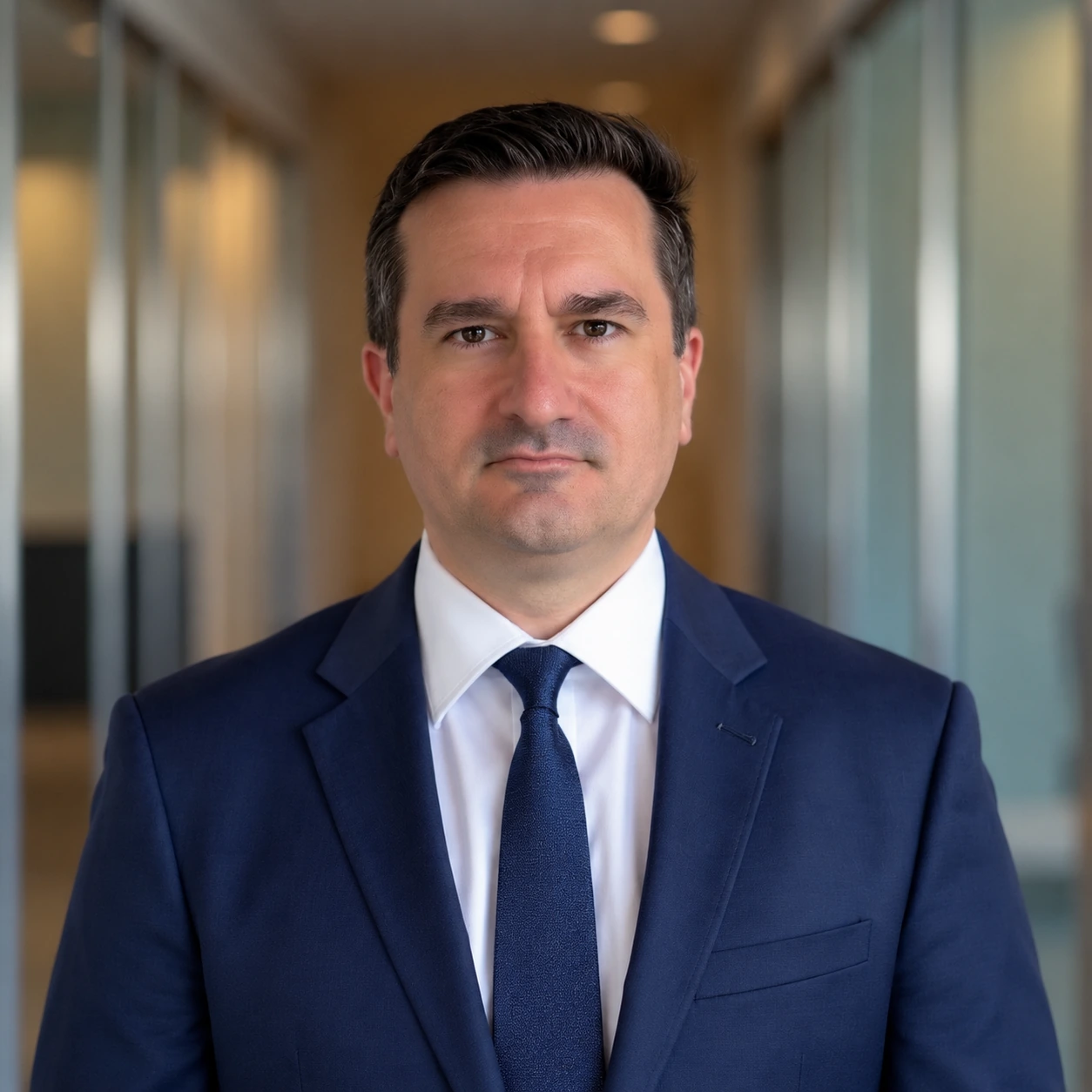
Andrew Tischer

Andrew Tischer

Founder & Managing Director
Acquisitions · Financing · Investment Strategy · Asset Oversight

Andrew brings more than 20 years of real estate investment experience within a broader three-decade career in investment management and financial markets. His background includes portfolio management for a global REIT hedge fund, Citigroup Global Markets/Smith Barney, Magellan Financial in Tokyo and boutique investment banking.

His prior principal-sponsored multifamily experience includes seven investments taken full cycle through separate deal-specific entities, where he served as a 50% co-general partner and a key principal on acquisition financing.
Rodeen Rahbar, MD

Rodeen Rahbar, MD

Director
Investment Review · Strategic Oversight · Investor Perspective

Dr. Rahbar brings more than 12 years of multifamily real estate investment and business experience. He contributes to investment review, capital allocation and strategic oversight, with particular perspective on the priorities of physicians and other professionals investing in private real estate.

Outside real estate, he is a practicing vascular surgeon and entrepreneur who founded and scaled medical practices, including one that completed a private-equity transaction.

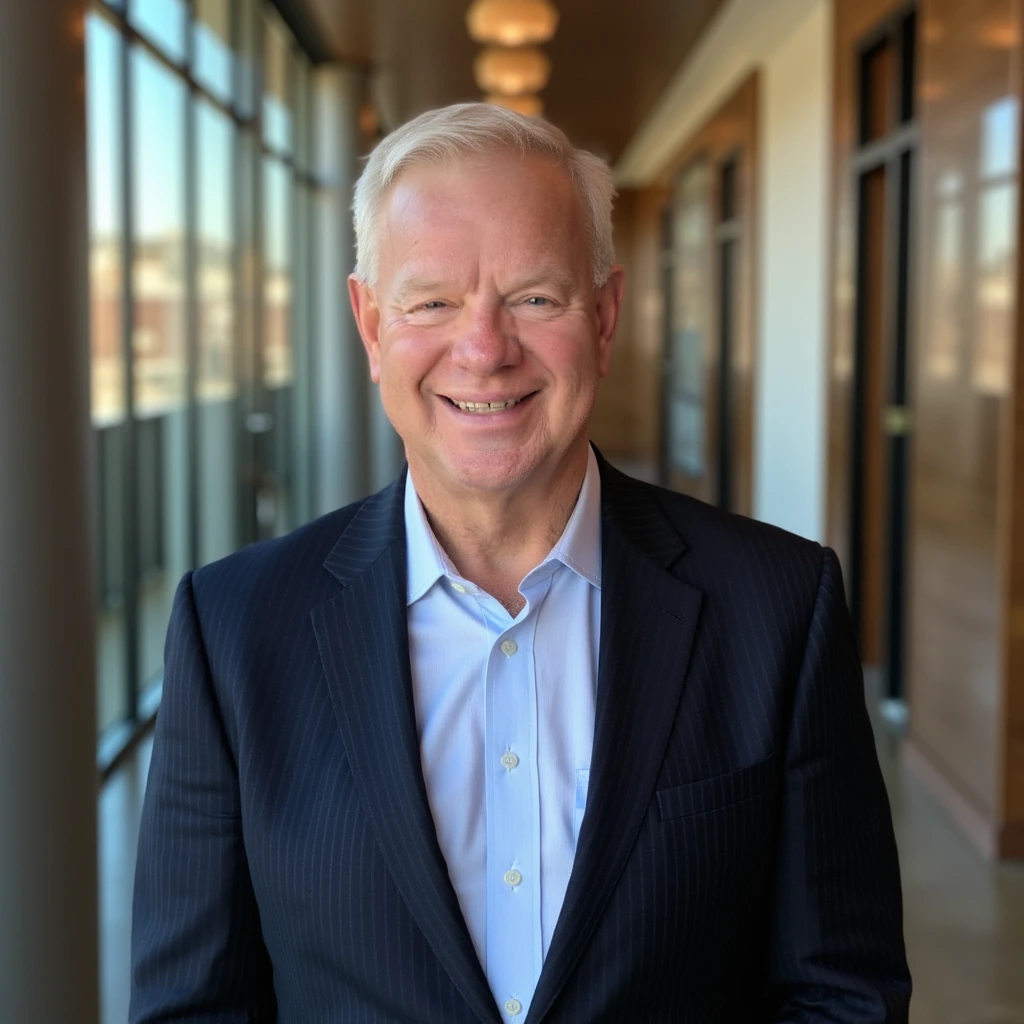
Hugh Sales

Hugh Sales

Asset Management
Underwriting · Negotiation · Asset-Level Oversight

Hugh brings more than 15 years of direct real estate investment experience within a four-decade executive business career. His background spans multifamily, residential, commercial, senior living and ground-up development across multiple U.S. markets.

He has also taken additional real estate investments full cycle in prior ownership roles. At Laager, he focuses on underwriting, negotiation and asset-level operating oversight. Hugh holds an MBA and a Ph.D. focused on venture capital.

Prior Investment Performance

Realized outcomes from prior multifamily investments.

These results reflect seven realized multifamily investments completed across separate investment entities.

20.4%Weighted Average Realized Investor IRRInvestor-equity weighted across the seven realized investments.
1.67xAverage Realized Equity MultipleSimple average of the seven individual realized investment multiples.
7 of 7Positive Realized InvestmentsEvery completed investment in the realized set returned more than original investor capital.
$16.2MRealized Investor ProfitAggregate distributions and investor profit at sale, excluding return of original capital.
Across the realized portfolioEquity multiples ranged from 1.30x to 2.20x, including two investments that more than doubled investor capital.
The 20.4% IRR is investor-equity weighted; the 1.67x equity multiple is the simple average of the seven realized investment multiples. Past performance does not guarantee future results.
Boutique by Design

More direct. More aligned. More accountable.

Large institutions offer scale. A focused sponsor offers something different: the people making the investment decisions stay close to the asset and to the investors throughout the life of the investment.

01 / Alignment

We Invest Alongside Our LPs

Our principals commit capital alongside investors, so investment outcomes matter to us personally as well as professionally.

02 / Access

Direct Access to Decision-Makers

Investors can communicate with the principals responsible for acquisitions, financing and asset oversight—not through layers of relationship managers.

03 / Selectivity

Selective by Design

We are not built around constant capital deployment. We can pass when pricing, financing or the business plan does not meet our standards.

04 / Execution

Fewer Layers, Clearer Accountability

A lean decision structure keeps information close to the people responsible for the investment and supports timely, accountable responses as conditions change.

What We Look For

Investment discipline before investment excitement.

Our acquisition process begins with downside questions: what are we paying, what must go right, how much capital is required, how resilient is the debt, and what happens if our assumptions are wrong?

01 / Basis

Defensible Acquisition Basis

We look for pricing that can be supported by current operations, replacement economics and realistic comparable evidence—not only future appreciation.

02 / Cash Flow

Current Operating Support

We prefer assets where existing revenue and achievable near-term improvements provide a credible foundation for debt service and operations.

03 / Location

Established Demand

We favor locations with durable employment, renter demand, access, schools or other fundamentals that support occupancy over a full cycle.

04 / Upside

Identifiable Value Creation

Upside should come from specific operating levers—rents, collections, occupancy, expenses, unit condition or capital execution—not vague optimism.

05 / Capital & Debt

Financing That Can Survive

We evaluate interest rates, maturity, reserves, capital spending and refinance assumptions with an emphasis on avoiding structures that require perfect conditions.

06 / Alignment

Aligned Sponsor Economics

Each offering is structured individually, but we focus on clear disclosure, meaningful sponsor participation where appropriate and economics tied to investment outcomes.

Our Investment Process

From sourcing to execution.

We use a repeatable process designed to separate attractive stories from investable opportunities and to keep oversight active after closing.

Step 01

Source

Identify on-market, brokered and direct opportunities that fit our asset, location and basis criteria.

Step 02

Underwrite

Review rent rolls, operating statements, capital needs, comps, debt, taxes and downside cases before committing capital.

Step 03

Structure

Design financing, reserves and investor economics for the specific asset rather than forcing every deal into one template.

Step 04

Execute

Oversee property management, leasing, capital projects, collections, operating costs and financing throughout the hold.

Step 05

Communicate

Provide investors with regular reporting on performance, material developments and changes to the business plan.

Why Multifamily

A durable operating business backed by real assets.

Multifamily combines recurring rental demand with identifiable operating levers, tangible assets and potential tax efficiency. We use the asset class as a vehicle for disciplined investing—not as a reason to relax underwriting.

01

Recurring Income Potential

Rental income is generated across many units and tenants, creating the potential for recurring operating cash flow and periodic investor distributions.

02

Operational Upside

Leasing, collections, expense control, renovations and capital projects can create value through execution rather than relying only on market appreciation.

03

Tangible Asset Exposure

Apartment communities are operating businesses built around physical assets with observable occupancy, rents, expenses and local market fundamentals.

04

Tax Efficiency

Depreciation and other real-estate tax attributes can improve after-tax economics for some investors, depending on the structure and individual circumstances.

Investment Opportunities

Explore current Laager offerings.

Live offerings and deal-specific materials are housed on our dedicated investment opportunities site, where each investment can be evaluated on its own terms and governing documents.

View Opportunities
Insights

Insights for private real estate investors.

Practical perspectives on passive real estate investing, tax efficiency and the principles we use when evaluating opportunities.

Syndication vs. Owning a Rental Property

How passive syndication differs from direct rental ownership—and why the right structure depends on the investor’s time, priorities and desired level of control.

Read Insight →
Architectural plans, calculator and laptop used in real estate cost analysis

Cost Segregation and After-Tax Economics

Why depreciation timing can materially affect the after-tax economics of a real estate investment—and where cost segregation fits into the analysis.

Read Insight →

Passive Real Estate for Busy Professionals

Why physicians, business owners and other professionals may prefer real-estate ownership without taking on another operating job.

Read Insight →

What We Look For Before We Invest

Basis, cash flow, debt, location and execution: the practical factors we want working together before projected returns become persuasive.

Read Insight →
Frequently Asked Questions

Straightforward answers to common investor questions.

These answers describe how we generally approach our investments. Specific terms can vary by offering and are set out in the applicable offering materials.

What is a real estate syndication?+

A real estate syndication allows a group of investors to own a professionally managed property together. The sponsor identifies and acquires the property, arranges financing, oversees the business plan and manages the investment, while limited partners contribute capital and participate in the income and profits according to the terms of the offering. For many investors, it provides access to larger real estate investments without having to manage the property themselves.

Who can invest? Do I need to be accredited?+

Most Laager offerings are designed for accredited investors. Eligibility requirements vary by offering and are explained in the applicable offering materials. When verification of accredited status is required, our team will guide investors through a straightforward verification process before investing.

What is the minimum investment?+

Minimum investments vary by offering, but are typically $100,000. The exact minimum for each investment is stated in the applicable offering materials.

What is the typical hold period?+

Most of our multifamily investments are underwritten with an expected hold period of approximately five to seven years. Actual timing can vary depending on market conditions, property performance and opportunities to sell or refinance, so some investments may be realized sooner and others held longer.

What returns should I expect?+

Return expectations vary by investment. Each offering clearly presents its targeted cash distributions, IRR and equity multiple, along with the assumptions behind those projections. We focus on opportunities where we believe the expected return appropriately compensates investors for the risk, rather than trying to force every investment into the same return profile.

How and when are distributions made?+

Our investments are generally structured to make cash distributions quarterly from available operating cash flow. The actual timing and amount of distributions depend on the performance of the property and the terms of the specific offering, including any preferred return or distribution waterfall.

What fees do you charge, and how is the sponsor compensated?+

Sponsor compensation varies by investment and is fully disclosed in the offering materials. Depending on the structure, this may include fees as well as a share of investment profits. We also invest our own capital alongside our LPs in our offerings, so a meaningful part of our economics is tied directly to the performance of the investment.

Why choose a smaller sponsor rather than a large institutional manager?+

A boutique sponsor can offer a level of access, alignment and accountability that is often harder to achieve in a large institution. Our principals are directly involved in sourcing, underwriting, financing and asset oversight, we invest alongside our LPs, and investors can speak directly with the people making the decisions. We also have the flexibility to be selective and pursue only the opportunities we believe are worth our investors’ capital.

What are the tax implications?+

Most of our investments are structured as partnerships and issue investors a Schedule K-1. Real estate investments may generate depreciation and other tax benefits that can reduce taxable income, and in some cases cost segregation can accelerate those deductions. The actual tax impact depends on each investor’s individual circumstances, so investors should review the implications with their own tax adviser.

Can I invest through a self-directed IRA or retirement account?+

In many cases, yes. Investors may be able to participate through a self-directed IRA or other eligible retirement account, depending on the structure of the offering and the requirements of their custodian. Our team can help coordinate the investment process, but investors should confirm the tax and account implications with their own adviser or custodian.

How should I evaluate a private real estate investment?+

We suggest focusing on the fundamentals: purchase basis, in-place cash flow, rent and expense assumptions, debt structure, reserves, business plan, sponsor experience and alignment. A good investment should make sense on realistic assumptions rather than depending on everything going perfectly.

What are the principal risks?+

Like any real estate investment, results can be affected by occupancy, operating expenses, capital needs, financing costs, interest rates and property values. Private real estate investments are generally illiquid, and returns are not guaranteed. We seek to manage these risks through disciplined underwriting, conservative assumptions, appropriate reserves and active asset management.

Can I exit early?+

Generally, investors should plan to hold for the full life of the investment. Private real estate interests are not designed to be readily traded, although transfers may sometimes be permitted subject to the governing documents and applicable requirements. Investors should therefore view the capital as committed until the investment is sold, refinanced, or otherwise exited.

What happens if an investment underperforms?+

If an investment is not tracking the original plan, active asset management becomes even more important. Depending on the circumstances, we may adjust leasing strategy, expenses, capital spending, financing or the timing of a sale or refinance. The objective is to respond early, protect the investment where possible and improve performance rather than simply waiting for conditions to change.

How will I be kept informed after I invest?+

We believe investors should understand how their investment is performing throughout the hold period. We provide regular investor updates and financial reporting, and investors can access investment documents, reports, distributions and tax materials through our investor portal. Our principals also remain accessible when investors have questions about an investment.

How do I get started?+

Start by reviewing our current investment opportunities. If a particular offering interests you, you can request additional information, speak directly with our team and, when appropriate, reserve an allocation while completing the investment documents and any required accreditation verification.

Investor Access

Access when you need it.

Review current opportunities, access investor reporting, or start a conversation with our team about how we approach multifamily investing.

Prospective Investors

Review current offerings and deal-specific materials on our dedicated investment site.

Investment Opportunities

Speak With Our Team

Questions about our investment approach or a current opportunity? Contact us directly. Our principals make themselves available to prospective investors as part of the diligence process.

Contact Us

Existing Investors

Access reports, documents, tax materials and account information through the investor portal.

Investor Login

Important Disclosures

This website is provided for general informational purposes only. Nothing on this website constitutes investment, legal, tax or accounting advice, or an offer to sell or a solicitation of an offer to buy any security. Any securities offering will be made only through the definitive offering documents for that investment and only to persons who satisfy the applicable eligibility requirements. Prospective investors should review those documents in their entirety before making an investment decision, and the definitive offering documents will control in the event of any inconsistency with information presented on this website.

Private real estate investments involve substantial risk, are generally illiquid, and may result in the partial or total loss of invested capital. Projections, targeted returns, forecasts and other forward-looking statements are based on assumptions and expectations that may not be realized. Actual results may differ materially, and no projected or targeted return is guaranteed. Past performance is not indicative of future results.

Tax consequences vary by investor and may change with applicable law or individual circumstances. Investors should consult their own legal, tax and financial advisers regarding the suitability and consequences of any investment. The Laager Group is not a broker-dealer or registered investment adviser.

References to the experience or historical performance of Laager principals may include activities undertaken through other investment entities or in roles outside The Laager Group. Such experience or performance should not be interpreted as performance achieved by The Laager Group unless expressly stated otherwise.