
Skip to content
The Laager Group Current Investor Login
The Cincinnati Portfolio Request access

The Cincinnati
Portfolio

Two established multifamily communities in northern Hamilton County featuring 169 units, 1960s to 1970s vintage, assumable agency financing at a below-market fixed rate, large floorplans, and below-market rents.

Request access

Accredited investors can request access to the complete deal room, including pricing, financing, underwriting and the offering documents.

Village Square Townhomes
The Wimbledons
169Total Units
2Assets
1960s / 1970sVintage
5-YearTarget Hold
$100,000Typical Minimum Investment
QuarterlyTarget Distribution Frequency
Rule 506(c)Offering Type
AssumableBelow-Market Agency Financing
Target Investor Returns

Projected LP Returns

8% to 8.5% Target Avg. Cash-on-Cash
1.9x to 2.1x Target LP Equity Multiple

Target ranges (base case to upside case) for the two-property portfolio. Targets and projections are not guaranteed, and actual results may vary. Review the deal room and Important Disclosures before investing.

Request access

Deal room access

Request access

This offering is available only to accredited investors. Complete the request below. If access is approved, we will email you a link to sign in to the deal room.

Investment at a Glance

The Cincinnati Portfolio in 60 Seconds

Two established suburban multifamily communities acquired at an attractive basis, with in-place agency financing, current cash flow and a defined rent-capture opportunity.

5-YearTarget Hold
2Properties
169Total Units
1960s / 1970sVintage
$100,000Typical Minimum Investment
Rule 506(c)Offering Type
Why We Like the Portfolio
01 Attractive acquisition basis

An attractive negotiated acquisition basis. Detailed entry yield, pricing and property financials are available to verified accredited investors in the offering materials.

02 Meaningful in-place rent opportunity

Current rents remain below the underwriting target, so a meaningful portion of the business plan comes from closing an existing rent gap rather than relying only on broad market rent growth.

03 Existing agency financing

Assumable agency financing at a below-market fixed rate is expected to provide lower-cost leverage than would likely be available on newly originated financing today. Detailed loan terms are in the deal room.

04 Large-format suburban product

The portfolio combines large-format townhomes at Village Square with flexible two-bedroom-plus-den layouts at The Wimbledons, differentiating both communities within their submarkets.

05 Two separate assets

The portfolio spans two northern Cincinnati submarkets and two separately financed properties, providing diversification of operating and asset-level risk.

06 Conservative terminal underwriting

The base case uses a conservative exit valuation relative to current market feedback on stabilized pricing, providing an additional margin of conservatism. The detailed assumptions are in the deal room. Detailed exit assumptions are in the offering materials.

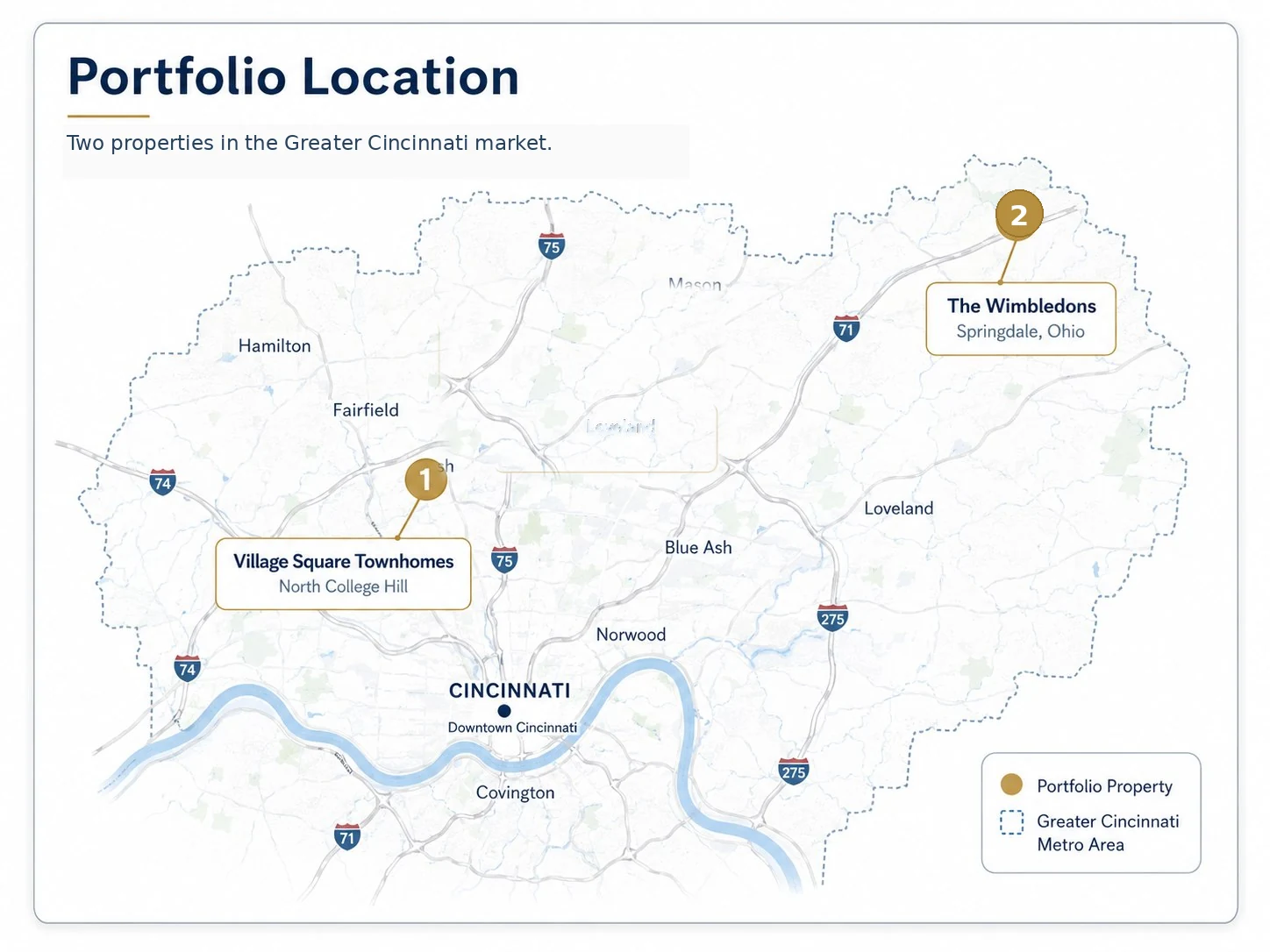
Where the Properties Are
Village Square TownhomesNorth College Hill / Cincinnati
The WimbledonsSpringdale, Ohio
Map showing Village Square Townhomes and The Wimbledons within the Greater Cincinnati market

Both properties are located in northern Hamilton County, within the Greater Cincinnati market.

Portfolio Detail

Two Distinct Property Stories

Two complementary assets, combining strong in-place yield, large-format suburban housing and access to major employment corridors.

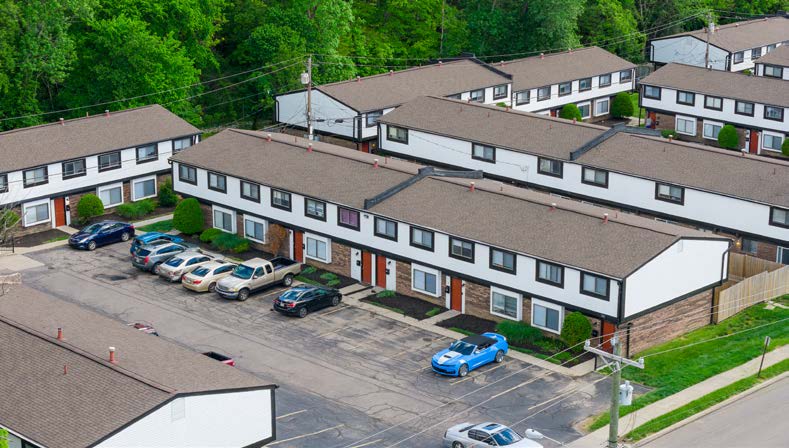
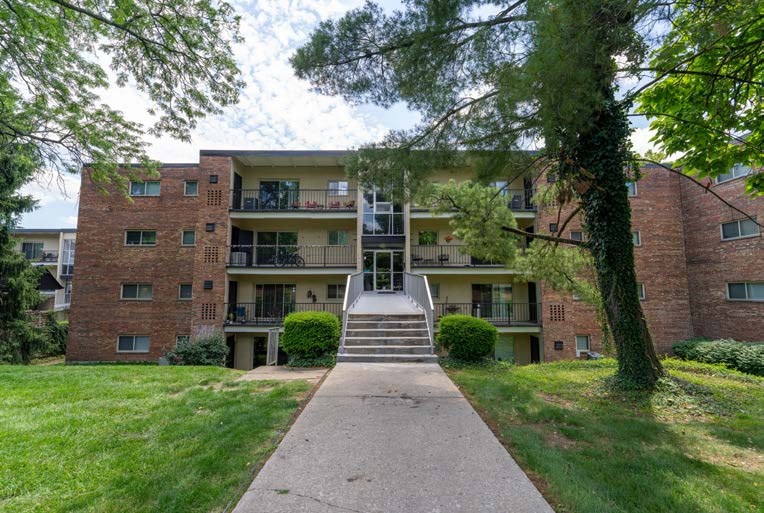
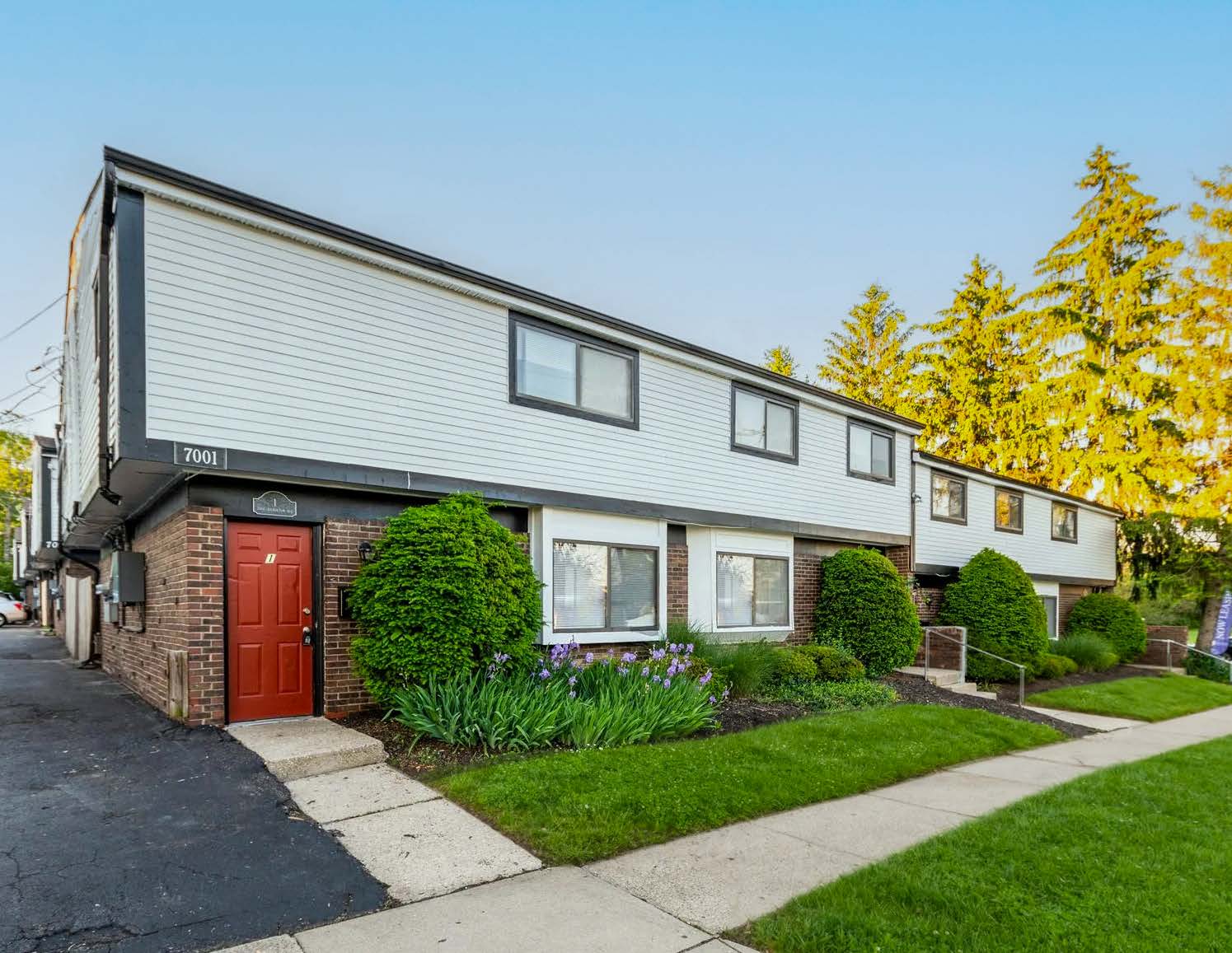
Village Square Townhomes exterior
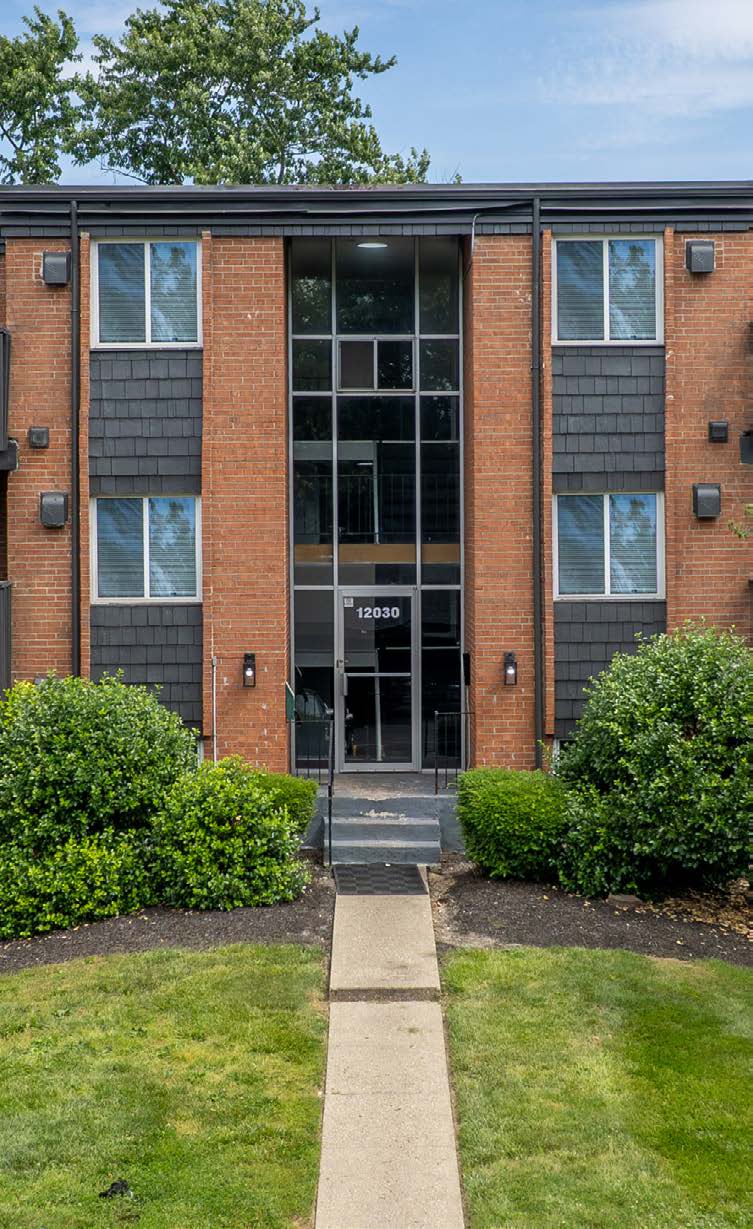
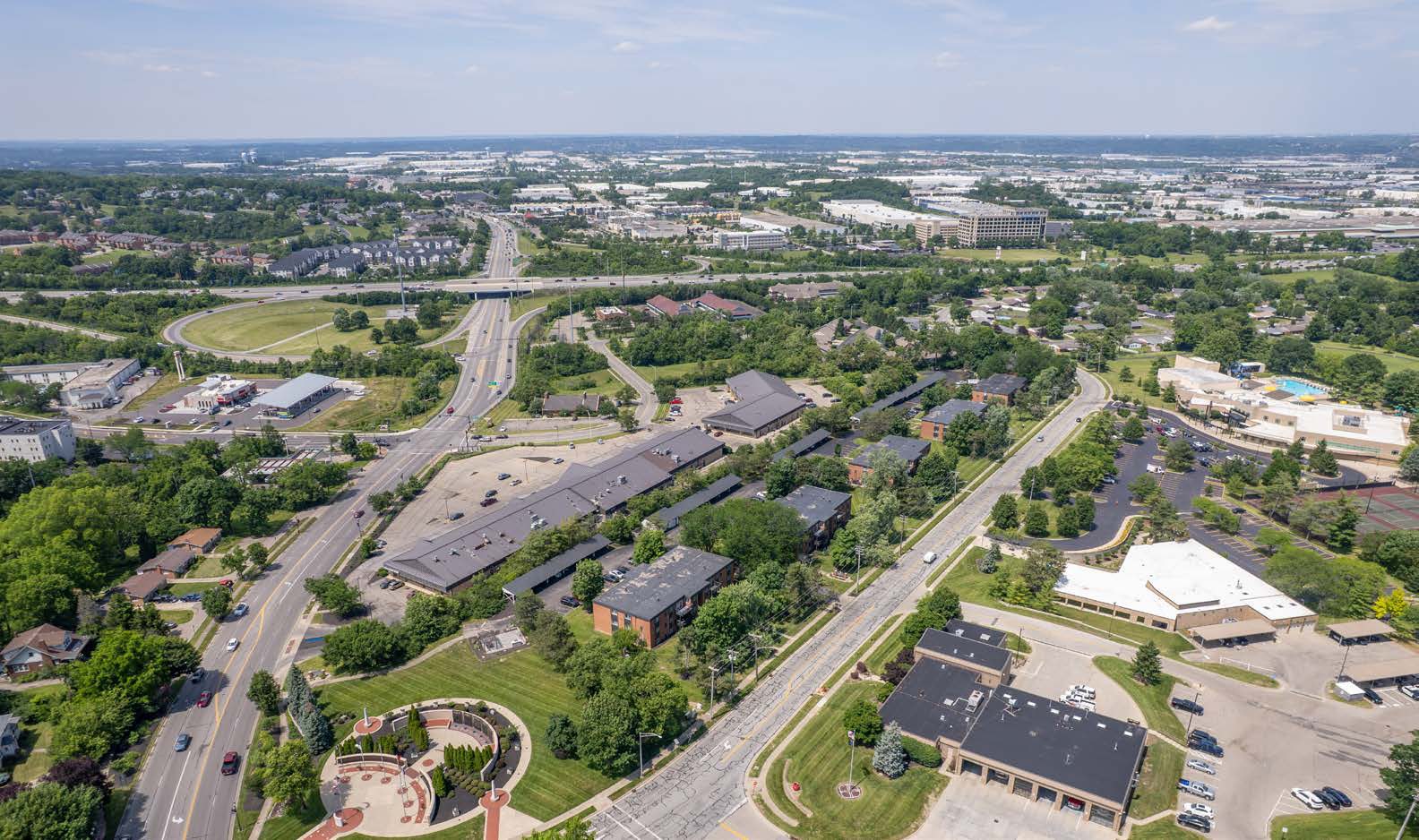
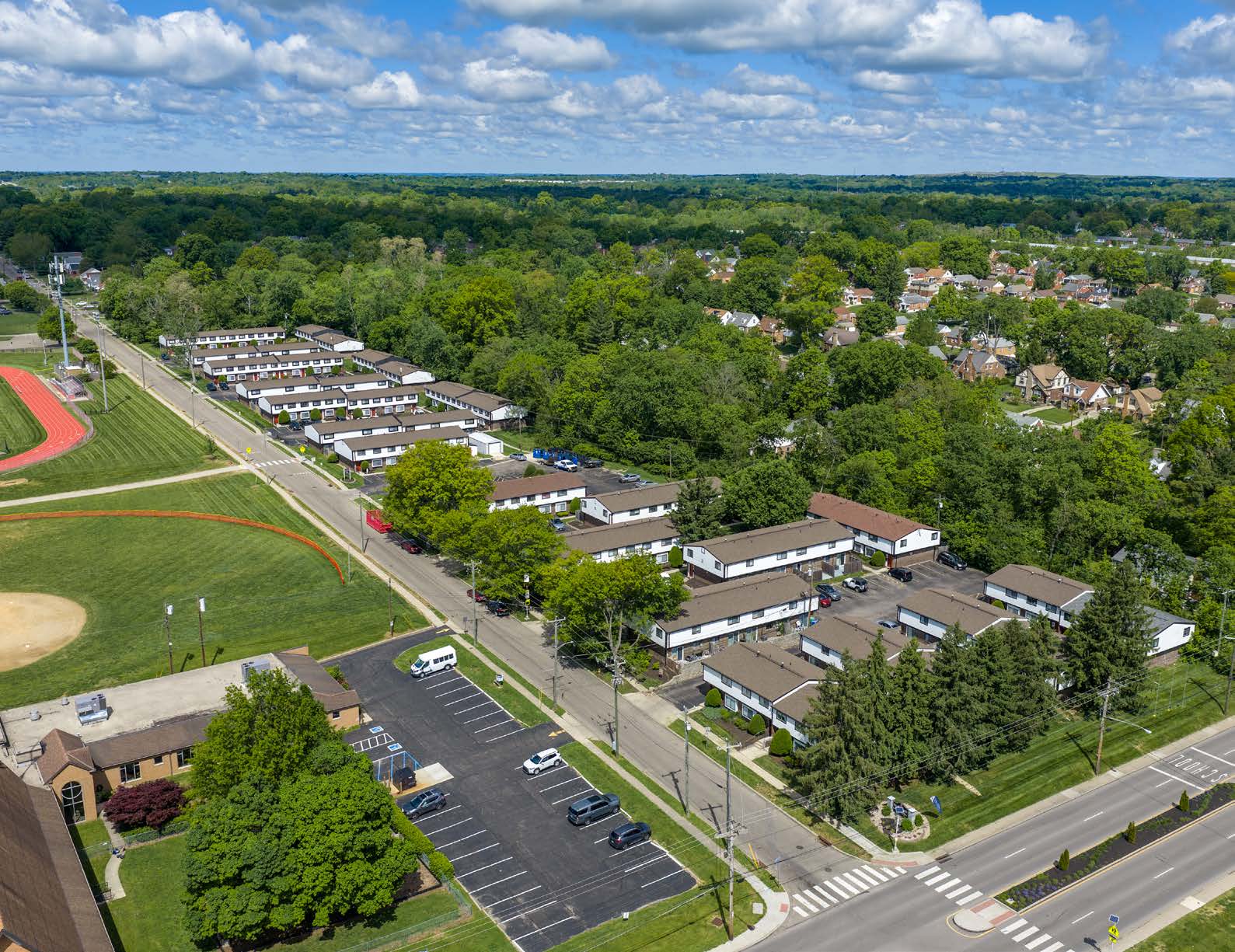
Village Square aerialVillage Square walkway

Village Square Townhomes

North College Hill, Ohio
The portfolio’s highest-yielding asset and clearest mark-to-market story. Village Square brings rare large-format townhome product, strong day-one cash flow, and a straightforward operational playbook.
LocationNorth College Hill
Total Units97
Unit Profile3BR / 4BR TH
Community TypeTownhomes
Why it belongs in the portfolio

Village Square anchors returns with the strongest initial yield and the broadest opportunity to capture rent lift on turnover.

  • Large three- and four-bedroom townhomes with private entries.
  • Significant prior capital investment, including major roof replacements.
  • Operational plan emphasizes turnover rent capture and ancillary-income improvement.
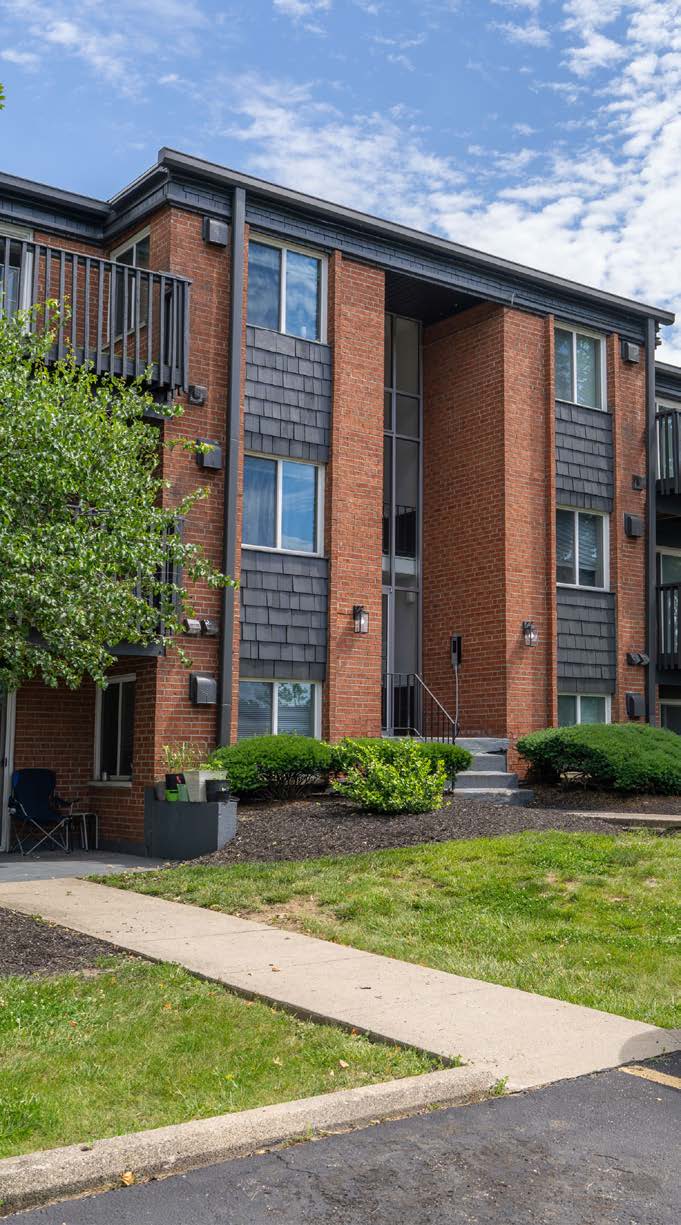
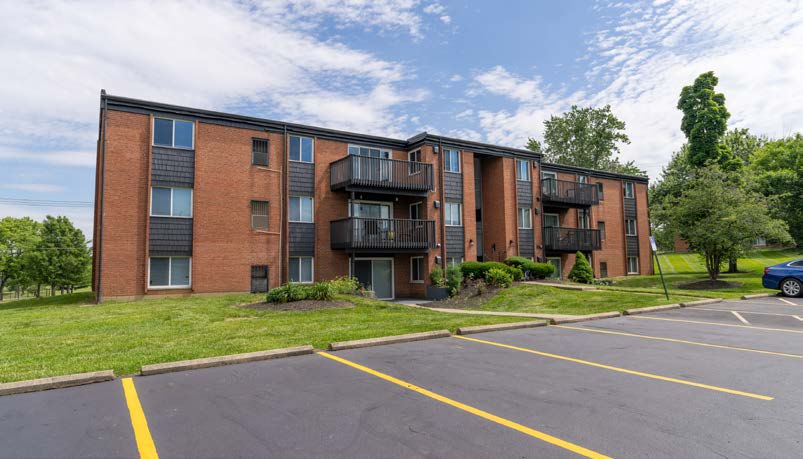
The Wimbledons exterior
The Wimbledons exterior secondary viewThe Wimbledons renovated kitchen

The Wimbledons

Springdale, Ohio
The employment-adjacency asset in the portfolio. The Wimbledons complements Village Square with a strong Springdale location, a large den-unit count, and a balanced risk / return profile.
LocationSpringdale
Total Units72
Unit Profile2BR+Den / 3BR
Corridor AccessI-75 / I-275
Why it belongs in the portfolio

The Wimbledons adds strong commuter and employment access while still preserving meaningful rent-upside potential.

  • The Wimbledons has 56 two-bedroom-plus-den units and 16 three-bedroom units, totaling 72 apartments.
  • Quick access to the I-75 / I-275 employment corridor.
  • Meaningful capital investment since 2019 supports stabilized operations.
Detailed Investment Review

For Investors Who Want to Go Deeper

The sections below provide the full market, capital structure, underwriting, risk discussion and investment diligence detail.

Offering information. All terms, projections and descriptions on this website are preliminary and are qualified in their entirety by the definitive offering documents. In the event of any inconsistency, the definitive offering documents will control. See Important Disclosures.
Ohio & Greater Cincinnati

A Strong Business Climate. A Diverse Regional Economy.

#1
America’s Top State
for Business · 2026
Ohio Business Climate

Ohio ranks first in CNBC’s 2026 America’s Top States for Business.

CNBC ranked Ohio No. 1 overall after evaluating all 50 states across 138 metrics in 10 categories of competitiveness. Ohio also ranked No. 1 for infrastructure and cost of doing business: strengths that support continued employer investment, market access, and long-term economic activity across the state.

#1 Overall#1 Infrastructure#1 Cost of Doing Business138 Metrics Evaluated
Read the CNBC ranking ↗
Employment Depth & Regional Growth

A broad employment base and continued investment support renter demand across the Greater Cincinnati market.

1.18MCincinnati Metro JobsA broad regional employment base supports renter demand across multiple industries.
97KAdvanced Manufacturing JobsA major regional employment engine spanning aerospace, automotive, chemicals, materials and food production.
211KBusiness & Professional Services JobsA deep white-collar employment base across finance, consumer insights, technology and shared services.
+11.8KProjected Healthcare JobsHealth care and social assistance is projected to lead regional job growth through 2034.
+7.7KProjected Logistics JobsTransportation and warehousing is also projected to remain one of the region’s largest sources of job growth.
$750MResilience / Lilly InvestmentA major life-sciences expansion in the Cincinnati region is expected to add 400 new high-skilled jobs.
Regional Quality of Life

Why the Cincinnati region is easy to live in

Greater Cincinnati riverfront skyline
A thriving regionwith a recognizable urban core
Greater Cincinnati retail and dining
Retail & diningfrom neighborhood centers to downtown
Greater Cincinnati park and greenway
Parks & green spaceincluding the riverfront park system
Northern Hamilton County residential setting
Schools & educationacross the northern suburbs
Established Cincinnati-area residential community
Established communitieswith mature streetscapes and character
Portfolio Submarkets

Two distinct locations, each with its own demand drivers.

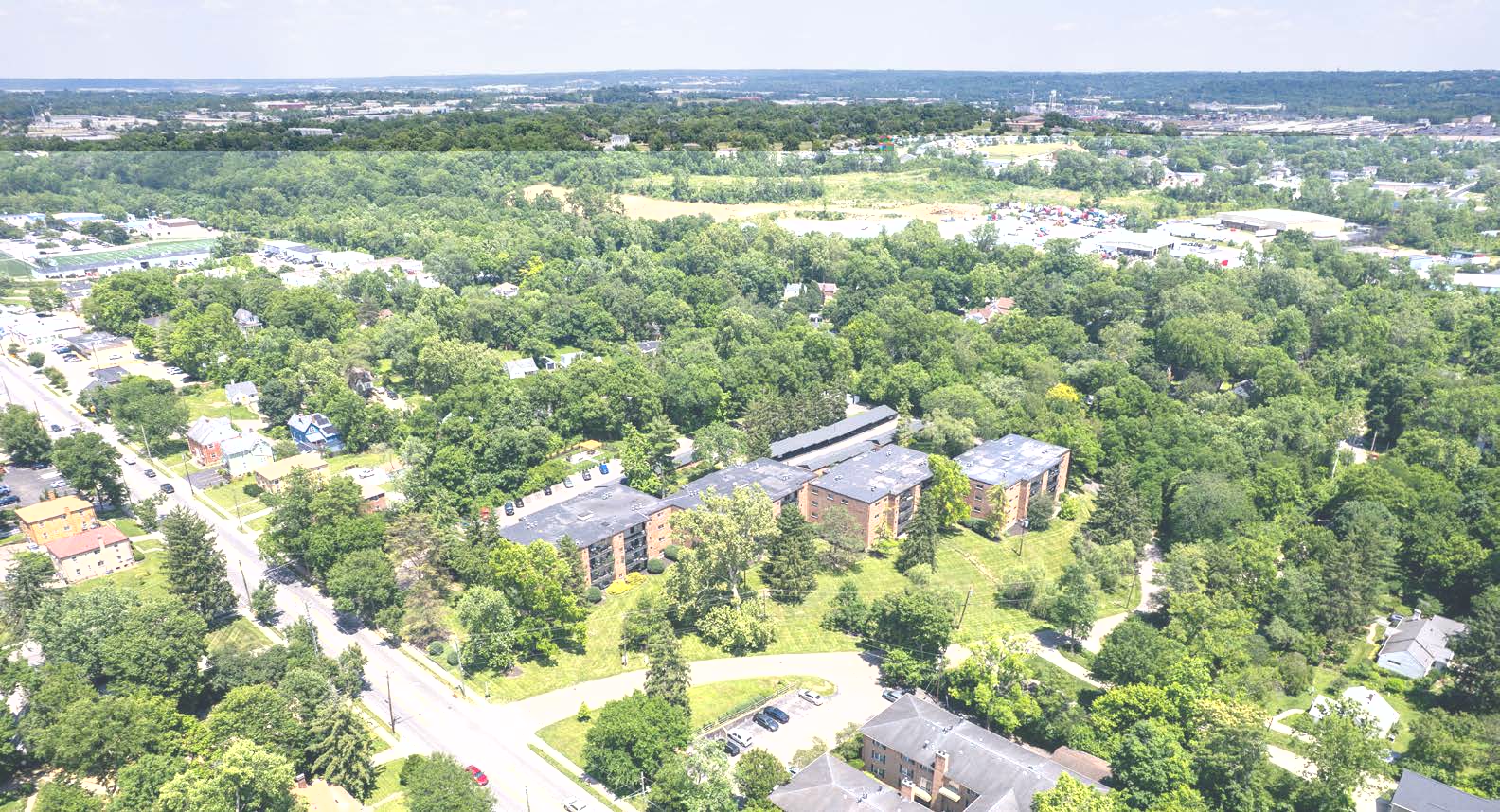
North College Hill area aerial
North College Hill

The affordability play: convenient to I-75, shopping, employers, parks, and everyday services, with established housing stock and a practical price point for larger households seeking more space.

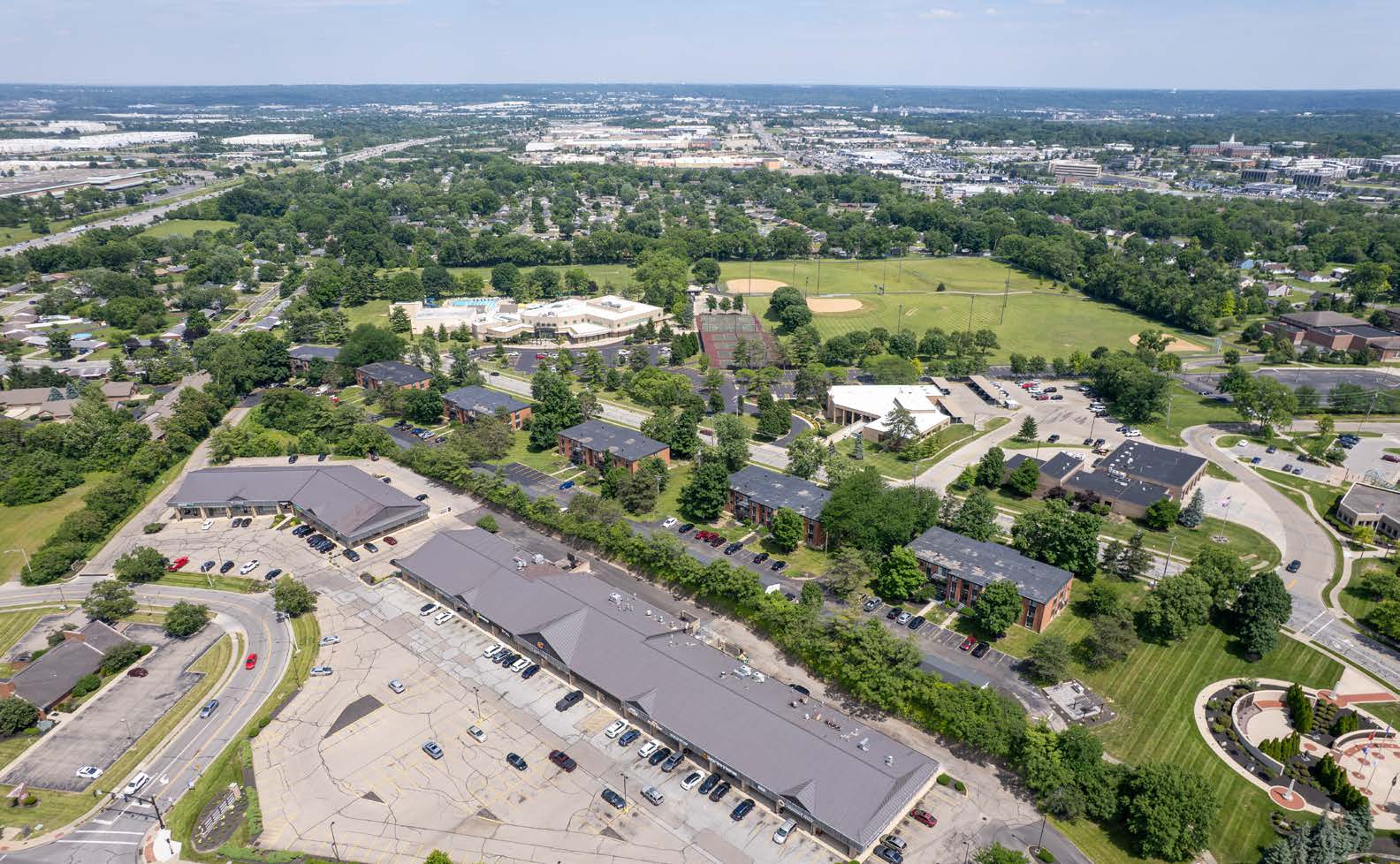
Springdale area aerial
Springdale

The employment-access story: a central position near I-75 and I-275, with major employers, retail, parks, and regional job centers all within convenient reach.

Financing Approach

Assumable Agency Financing at a Below-Market Fixed Rate

The portfolio is expected to assume in-place agency financing at a below-market fixed rate. The two loans are separately collateralized. The target hold period is five years. Detailed financials are available to verified accredited investors in the deal room.

FinancingAssumable agency
Loan StructureSeparately collateralized
Target Hold5 Years
Offering TypeRule 506(c)

How the financing works

The acquisition is structured around assumable agency financing at a below-market fixed rate, originated in a more favorable lending environment than exists today.

  • Two separately collateralized agency loans, one on each property.
  • A below-market fixed rate that is expected to provide lower-cost leverage than newly originated financing would likely offer today.
  • A defined refinancing event at loan maturity, underwritten at a higher rate and more conservative leverage than the debt being assumed.

For verified accredited investors

Detailed financials are provided in the offering documents inside the deal room.

Verified accredited investors can request access, review the full capital structure and underwriting, and then proceed to the subscription documents.

Request access

Hold-Period Framework

In-Place FinancingBelow-market fixed rate
Loan StructureSeparately collateralized
Refinance PlanHigher rate, conservative leverage
Target Hold5 Years
Underwriting Framework

What the Investment Does, and Does Not, Rely On

The portfolio is designed around existing cash flow, measurable loss-to-lease, and in-place debt. The framework below separates the assumptions that drive the investment case from those that are not required for the base thesis.

The investment does rely on

  • Capturing a meaningful portion of the existing mark-to-market as leases turn.
  • Maintaining generally stable occupancy across both communities.
  • Disciplined expense management and execution of the defined capital plan.
  • A successful sale or refinancing strategy around the planned hold period.

The investment does not rely on

  • Development, lease-up, or a heavy repositioning program.
  • Material acceleration in Cincinnati market rent growth.
  • A more expensive exit driven only by a market-wide re-rating of the assets.
  • A speculative renovation thesis across the entire portfolio.
  • Interest rates falling materially below the assumptions used in the model.

Refinancing Framework

The assumed loans provide an attractive capital structure today and create a defined refinancing event when those loans reach maturity later in the hold.

TodayBelow-market fixed rate

Assumable agency financing at a below-market fixed rate is expected to be carried across the two properties for several years of the hold.

Base CaseHigher rate / more conservative leverage

The underwriting contemplates refinancing at a higher rate and more conservative leverage than the debt being assumed today.

DownsideStress the refinancing

The underwriting assumes refinancing at more conservative rates and leverage than the debt being acquired. Refinancing proceeds and any shortfalls will depend on property performance, loan availability and definitive loan terms.

Key Underwriting Considerations

Investment Diligence Summary

The portfolio combines strong in-place cash flow with assumable agency financing and a business plan centered on measurable operating execution rather than development or unusually aggressive market growth. The points below summarize the principal underwriting considerations investors should evaluate.

Existing financingAssumable agency financing at a below-market fixed rate, with detailed terms in the deal room.
Entry basis vs. exit assumptionEntry yield versus exit assumptions should be confirmed in the current underwriting and the offering materials.
Rent assumptionsBase market rent growth has been modeled at approximately 3%; actual outcomes may be lower or higher.
Existing rent opportunityA meaningful portion of projected revenue growth comes from closing the current rent gap, separate from future market rent growth.
Refinance underwritingThe refinance at loan maturity is modeled at higher rates and lower leverage than the existing debt. The detailed assumptions are in the deal room.
Property-level credit testUnderwriting should be reviewed property by property so a weaker asset is not obscured by portfolio averaging.
Loan isolationThe two assumed agency loans are separately collateralized. Any guarantor obligations, recourse exposure or potential cross-property funding requirements are governed by the definitive loan and assumption documents.
Unit convention169 physical units across Village Square (97) and The Wimbledons (72). The treatment of any non-revenue units should be confirmed against the current underwriting.
Key Investor Questions

Six Questions That Matter Most

These questions highlight the principal factors we believe investors should understand when evaluating the portfolio, including the strengths of the opportunity, the assumptions behind the underwriting, and the areas that deserve the most attention.

Where actual results may differ most

The largest differences between actual results and underwriting are most likely to arise from a relatively small number of variables:

  • Pace of rent mark-to-market
  • Stabilized vacancy
  • Refinance terms at loan maturity
  • Exit valuation assumptions
  • Operating expense inflation

The portfolio is expected to be acquired with assumable agency financing at a below-market fixed rate. That financing was originated in a more favorable lending environment than exists today and is intended to provide lower borrowing costs than newly originated debt would generally offer. The detailed loan terms are provided in the deal room for verified accredited investors. Higher leverage can increase sensitivity to operating performance, which is why we focus closely on property-level cash flow and debt-service coverage. In our view, the combination of attractive fixed-rate debt and strong in-place income is one of the portfolio's most important advantages.

The acquisition reflects negotiated pricing from motivated sellers and is intended to create an attractive basis at entry. The detailed entry yield and exit valuation assumptions are provided in the deal room. The business plan does not depend on a more expensive market-wide re-rating of the assets. After several years of operating improvement, the base case assumes a conservative exit relative to current market feedback. Investors should also evaluate less favorable exit assumptions in their own review of the offering materials.

The investment is not built around unusually strong future market rent growth. Base underwriting assumes approximately 3% annual market growth, which is broadly consistent with a long-term inflationary environment rather than an aggressive appreciation assumption. In addition, part of the revenue opportunity already exists today in the gap between current rents and rents supported by the market. Investors should also evaluate weaker rent growth and lower capture of in-place mark-to-market when reviewing their downside underwriting.

The existing loans are intended to provide the portfolio with several years of attractive fixed-rate financing before maturity. The business plan assumes that the portfolio will be refinanced later in the hold, after the properties have had time to grow operating income and strengthen their performance. The underwriting does not assume that today's favorable debt terms simply continue; instead, it models a higher refinance rate and more conservative leverage. The key objective is to reach maturity with sufficient operating income and debt-service coverage to refinance from a position of strength. The detailed maturity and refinance assumptions are in the deal room.

The portfolio does not require a major redevelopment or highly speculative renovation program. Much of the opportunity comes from relatively straightforward operating execution: narrowing the current rent gap, maintaining occupancy, managing expenses, and selectively improving units where the economics justify it. That creates a business plan that is operational rather than development-driven and allows investors to see clearly which assumptions are producing the projected returns.

The portfolio begins with in-place income, attractive assumed agency debt, and two assets serving different northern Cincinnati submarkets. Investors should review downside assumptions for rent capture, vacancy, expense growth, refinancing, and exit valuation in the deal room. The focus remains positive cash flow and property-level debt-service coverage rather than relying on any single favorable assumption.

Risk & Mitigation

Key Risks and How They Are Reflected in the Underwriting

Each risk below can affect investment performance. The underwriting should be reviewed under both base-case and less favorable assumptions.

RiskWhy It MattersUnderwriting / Mitigation Response
Weaker exit valuationA lower sale value can reduce proceeds even if operations perform.Base exit assumptions should be tested against less favorable sale values when evaluating potential outcomes. The detailed assumptions are in the deal room.
Refinance rates / availabilityHigher rates or tighter lending standards may reduce proceeds or make refinancing unattractive.The base-case refinancing framework assumes a higher refinance rate and more conservative leverage than the debt being assumed; actual proceeds will depend on lender underwriting, debt coverage, market rates and the final loan terms.
Rent growth / mark-to-marketRent increases may take longer or prove smaller than underwriting assumes.The thesis starts with an existing in-place rent gap. Investors should assess slower market rent growth and a reduced percentage of identified mark-to-market captured.
VacancyHigher vacancy directly reduces effective revenue and operating income.The portfolio is acquired as established housing. Investors should evaluate higher vacancy rates in their downside assumptions.
Expense inflationTaxes, insurance, payroll, utilities and maintenance can outpace revenue growth.Operating expenses can rise faster than rents; investors should consider elevated inflation and resulting margin compression.
Older vintage / physical systems1960s to 1970s assets can require unexpected capital investment.Each asset has received substantial recent capital investment, and the acquisition underwriting includes a defined capital plan and reserves.
Execution across two assetsTwo simultaneous business plans create management complexity.The assets are geographically concentrated, have similar suburban multifamily operating profiles, and are underwritten with defined property-level scopes.
Property-level loan isolationIn a severe downside, one property's value may fall below its outstanding debt.The two loans are secured by separate properties. Guarantor obligations and any recourse exposure should be reviewed under the definitive assumption documents; underperformance at one asset may require additional capital.
Legal

Important Disclosures

Rule 506(c) Offering and Important Investment Disclosures. The securities described on this website are expected to be offered in reliance on Rule 506(c) of Regulation D under the Securities Act of 1933, which permits general solicitation. This website is intended for general solicitation purposes and provides selected preliminary information that may change without notice. It is not a substitute for the private placement memorandum, subscription agreement, governing agreement or other definitive offering documents, which will control in the event of any inconsistency. Any investment will be made only pursuant to those documents, and any purchaser must be an accredited investor whose status the issuer has taken reasonable steps to verify. The securities have not been registered under federal or applicable state securities laws and are subject to transfer and resale restrictions. Investments in real estate and private securities involve substantial risk, including illiquidity, leverage, operating and refinancing risks, changing market and interest-rate conditions, and the potential loss of all or a substantial portion of invested capital. Projections, estimates, targets and anticipated returns are forward-looking and depend on assumptions regarding rents, expenses, financing, capitalization rates, property values and other factors; actual results may differ materially, and no outcome is guaranteed. Past performance, if referenced, is not indicative of future results. Nothing on this website constitutes legal, tax, accounting or investment advice; prospective investors should conduct independent due diligence and consult their own qualified advisers. Photographs, market data, demographic information and other third-party material are believed reliable but have not necessarily been independently verified and may change.

For Informational Purposes Only  •  Accredited Investors Only